Aurora, Portage County
Aurora homes: a 1990s building boom in wetland country
Aurora was farm and cheese country long before it was a suburb; its factories shipped a national-record four million pounds of cheese in 1904. Houses started going up around Robinhood and Sherwood drives in 1957, Four Seasons broke ground in 1961, and Walden, the Highlands, Chatham Estates and Aurora Shores followed in the late 1960s and early 1970s. The bigger wave came later. The population grew from 9,192 in 1990 to 17,239 in 2020, and Census survey data counts about 23 percent of today's homes built in the 1990s, 17 percent in the 2000s and roughly 10 percent since 2010. Barrington, around the Jack Nicklaus golf course that opened in 1994, belongs to that wave.
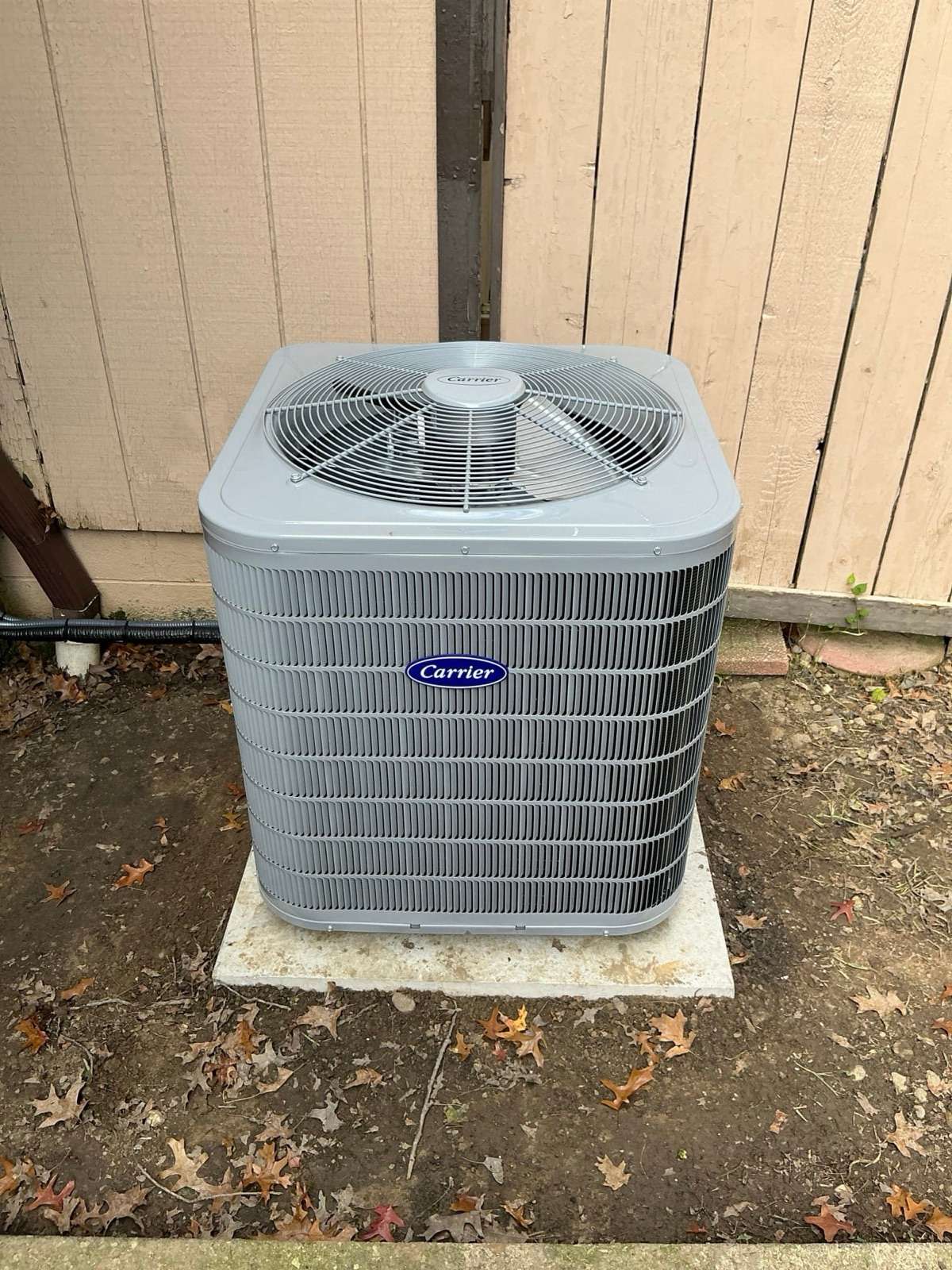
That timing is what drives most of our Aurora calls. A furnace or condenser installed in 1996 or 2004 is now 20 to 30 years old, and in a lot of these houses it is still the builder-grade original, often sized by rule of thumb instead of a load calculation. Many air conditioners from that era run on R-22, a refrigerant the U.S. stopped producing in 2020, so a major leak turns a repair into a replacement decision. Aurora also has a sizable share of attached housing: about one home in five is a townhouse, condo or a unit in a building of two to four homes, where furnaces sit in tight closets and outdoor units share small pads.
Water is the other constant. About 1.15 of the city's 24 square miles is water, including Geauga Lake on the Bainbridge Township line, where SeaWorld Ohio operated on the Aurora side from 1970 to 2001; in 2024 the city agreed to buy the lake and 48 acres of former park land for a public park. The Aurora Branch of the Chagrin River runs through the former Aurora Golf and Country Club, now the Paddock River Preserve, and the 164-acre Aurora Sanctuary State Nature Preserve is also inside the city. Houses next to wet ground tend to have damp basements and sticky summers, so we look at humidity, drainage around the equipment and air conditioner sizing together. For fuel, about 89 percent of Aurora homes heat with utility gas and about 9 percent with electricity; propane and fuel oil together make up roughly 1 percent.